
Table of Contents
Whether you’re planning a casual day hike or a challenging multi-day trek, the best hiking backpacks are the foundation of every successful adventure. Finding the right pack can be the difference between an enjoyable outdoor experience and an uncomfortable, exhausting one. This comprehensive guide walks you through everything you need to know about selecting the best hiking backpack for your specific needs—from capacity and fit to weight and durability—so you can spend more time enjoying the trail and less time worrying about your gear.
Image suggestion: Overhead view of various hiking backpacks arranged on a camping mat in natural outdoor setting.
Alt text: Selection of different hiking backpacks laid out on outdoor terrain.
What Makes the Best Hiking Backpack?
Not all backpacks are created equal, and a great hiking backpack needs to balance comfort, durability, and functionality. The best hiking backpacks share these core characteristics:
- Proper weight distribution through a structured frame and padded hip belt
- Adjustable torso lengths to accommodate different body shapes
- Water-resistant or waterproof materials to protect your gear
- Comfortable, contoured shoulder straps that reduce fatigue
- Lightweight construction that doesn’t add unnecessary burden
- Organized compartments for efficient packing
- Durability to withstand years of trail use
Understanding these features will help you evaluate any hiking backpack and make a confident purchase decision.
Image suggestion: Close-up of backpack shoulder straps, hip belt, and frame design showing comfort features.
Alt text: Hiking backpack frame system and padded hip belt for weight distribution.
Hiking Backpack Buyer’s Guide: How to Choose
Determine the Right Capacity for Your Trips
The capacity of your hiking backpack should match the length and type of your adventures:
Day Hikes (up to 8 hours): A small hiking backpack in the 15–25 liter range is perfect for short outings. This capacity fits water, snacks, a light layer, and essentials without excess weight.
Half-Day or Long Day Hikes (8–10 hours): Look for a 25–35 liter hiking backpack. This gives you room for a lunch, extra water, and a change of clothes.
Overnight and Multi-Day Trips: For 1–3 days, you’ll need 40–60 liters. Longer expeditions may require 60–75+ liters.
Don’t oversized your backpack—choosing a pack that’s too large encourages you to carry unnecessary weight and can reduce efficiency on the trail.
Find Your Ideal Fit and Comfort Level
A poorly fitting hiking backpack can cause pain and ruin your experience. Consider these fit factors:
Torso Length: This is the distance from your C7 vertebra (the bony bump at the base of your neck) to your iliac crest (the top of your hip bones). Most quality hiking backpacks offer adjustable torso lengths, typically ranging from 16–22 inches. A proper fit ensures weight sits on your hips, not your shoulders.
Shoulder Straps: Look for padded, curved straps that wrap around your shoulders naturally. Adjustable anchor points allow fine-tuning to match your specific shoulder width.
Hip Belt: This is your backpack’s MVP. A well-padded, ergonomic hip belt transfers 60–80% of the pack’s weight to your hips (which can handle it better than your shoulders). Ensure the belt is snug but not restrictive.
Back Panel Padding: Quality padding should provide cushioning without being overly thick. Some prefer ventilated back panels to reduce sweat buildup on warm days.
Choose the Right Weight for Your Style
A lightweight hiking backpack is easier on your body, especially for longer distances. However, weight matters less if the backpack distributes it well:
- Ultralight options: 2–3 lbs (great for minimalist backpackers)
- Lightweight packs: 3–4.5 lbs (good balance of durability and weight)
- Standard packs: 4.5–6 lbs (robust and feature-rich)
- Heavy-duty packs: 6+ lbs (maximum durability for extreme conditions)
Consider not just the backpack’s weight, but how it feels on your body—a heavier pack with excellent weight distribution can feel lighter than a lighter pack with poor ergonomics.
Prioritize Water Resistance and Materials
Protecting your gear from the elements is critical. A waterproof hiking backpack or water-resistant design keeps your clothing and equipment dry during unexpected rain:
- Water-resistant materials: Nylon or polyester with a DWR (Durable Water Repellent) coating sheds light rain
- Waterproof fabrics: Heavy-duty waterproof nylon handles serious downpours
- Rain covers: Many hiking backpacks include or offer separate rain covers for extended protection
- Sealed seams: Check for taped or sealed seams where panels connect
Inspect zippers, pocket seams, and attachment points—these are common water entry points.
Evaluate Durability and Construction Quality
Look for these signs of quality in a hiking backpack:
- High-thread-count fabric with tight weaves
- Reinforced stitching at stress points (shoulder attachment, hip belt, frame)
- Smooth, reliable zippers (YKK or similar quality brands)
- Thick-gauge aluminum or steel frames (if internal frame)
- Quality buckles and fasteners that won’t fail under load
Image suggestion: Detailed close-up of zipper, stitching, and fabric quality on a hiking backpack.
Alt text: Hiking backpack showing reinforced stitching and quality zipper details.
Top Hiking Backpack Options by Category
Best Overall Hiking Backpack for Women
Women-specific hiking backpacks are designed with different proportions than unisex models. They feature shorter torso lengths, narrower shoulder straps, and contoured hip belts that fit the female frame comfortably.
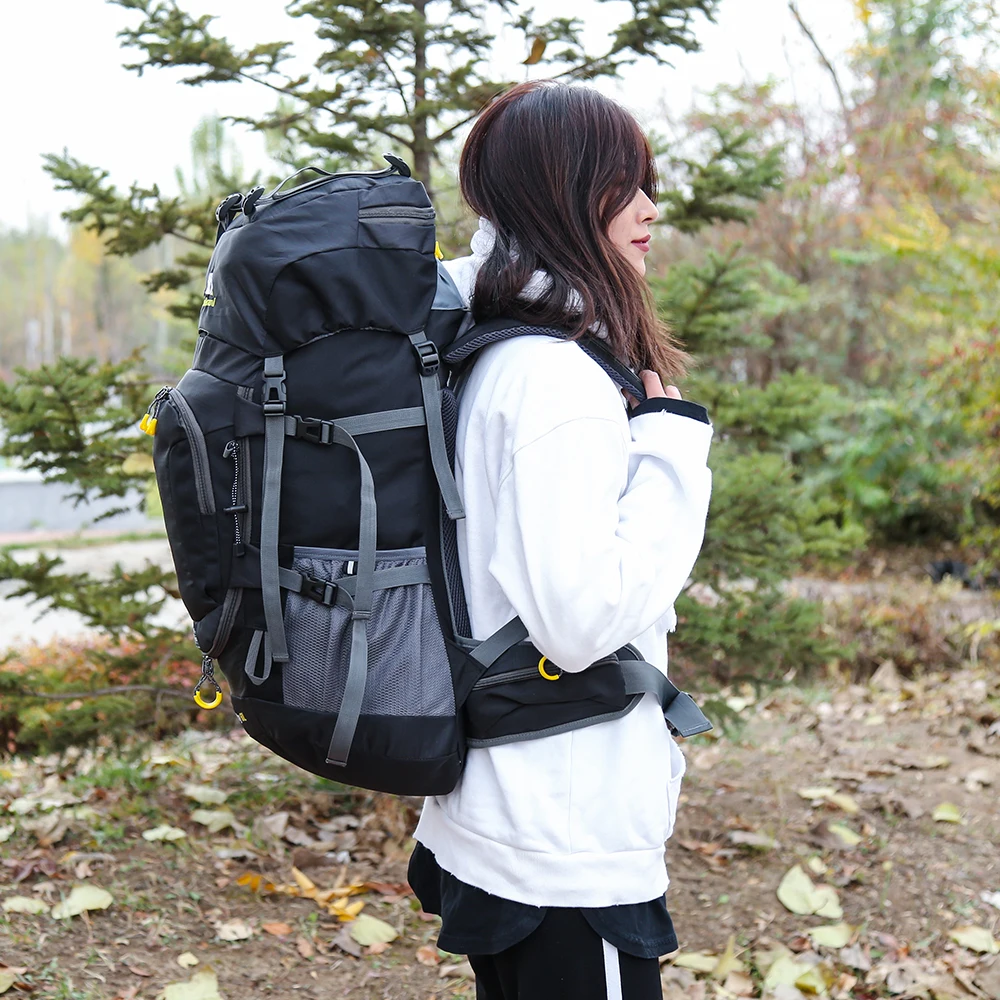
Osprey Aura AG 65 is consistently praised for its exceptional comfort and ventilation. This women’s-specific pack includes:
- Anti-Gravity suspension system for even weight distribution
- Adjustable torso length (16–18 inches)
- Ventilated back panel to reduce sweat
- Integrated rain cover and organizational pockets
- Capacity: 65 liters (excellent for multi-day trips)
The Aura AG is ideal if you’re searching for the best hiking backpack for women who value comfort on longer trails.
Best Small Hiking Backpack for Day Hikes
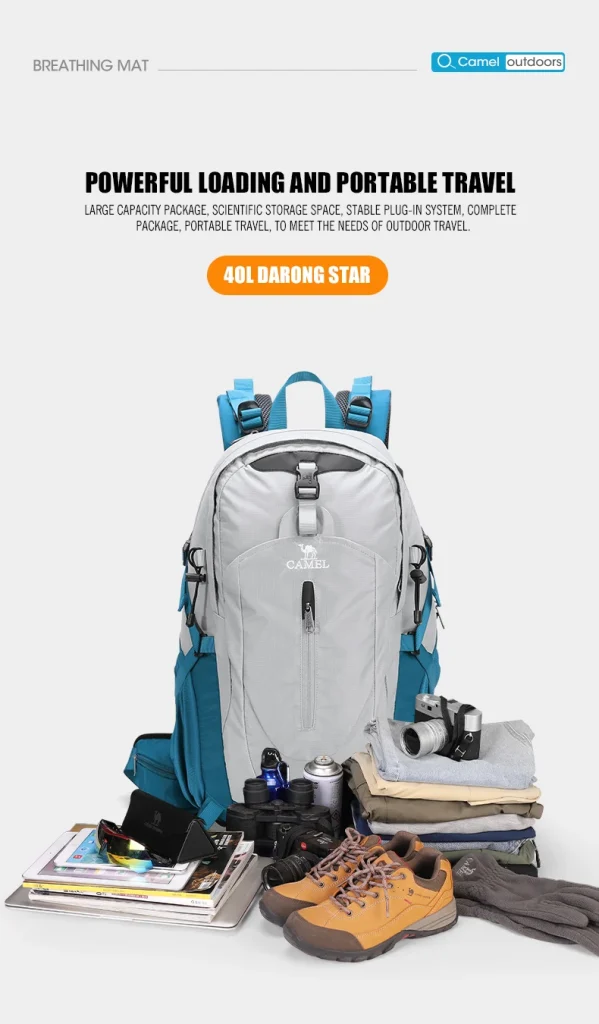
When you need a small hiking backpack for shorter adventures, the CamelBak M.U.L.E. stands out with practical design and reliable performance.
CamelBak M.U.L.E. features:
- Capacity: 22.5 liters (ideal for day hikes)
- Integrated hydration sleeve for water bladders
- Multiple organizational pockets
- Lightweight and weather-resistant
- Comfortable padded straps and ventilated back
- Compatible with various CamelBak water systems
This small hiking backpack is perfect for day hikers who want to travel light without sacrificing organization. The hydration compatibility is a major advantage—you won’t need to stop frequently to refill water bottles.
Best Lightweight Hiking Backpack for Weight-Conscious Hikers
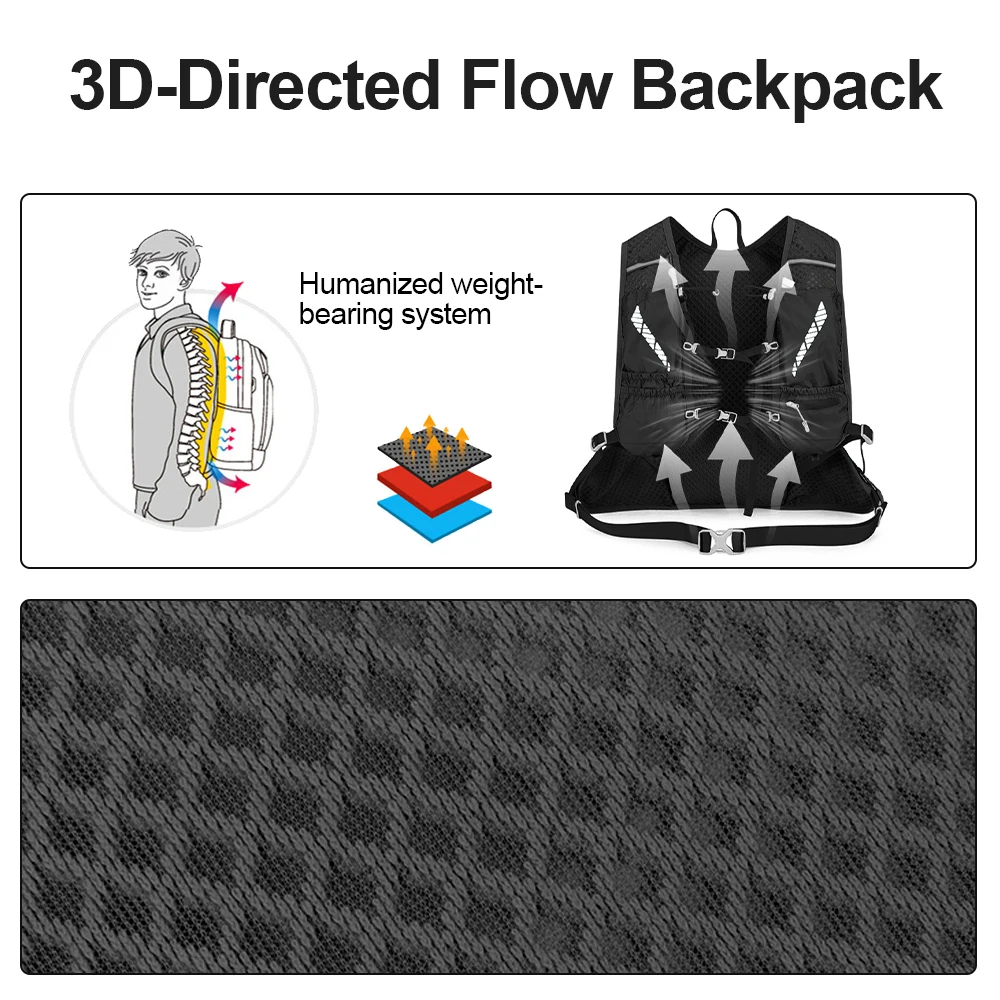
If every ounce matters on the trail, a lightweight hiking backpack reduces fatigue and enables longer distances.
Ultralight options to consider:
- Under 3 lbs: Minimal padding, streamlined design, requires careful packing
- 3–4 lbs: Good balance between weight and comfort (recommended for most hikers)
- Key features to seek: Aluminum frames (lighter than steel), minimal-padding shoulder straps, streamlined pockets
A lightweight hiking backpack in the 40–50 liter range can weigh as little as 3.5–4.5 pounds while maintaining necessary structure and support. Look for brands specializing in ultralight gear if weight is your primary concern.
Best Waterproof Hiking Backpack for All-Weather Adventures
A waterproof hiking backpack gives you confidence in unpredictable weather. True waterproofing requires more than water-resistant fabric.
What to look for in a waterproof hiking backpack:
- Sealed seams throughout the pack (not just the main compartment)
- Roll-top closure or waterproof zippers
- Waterproof materials like 500D+ Cordura or heavy-duty nylon
- Included or optional rain cover
- Waterproof pockets for electronics and documents
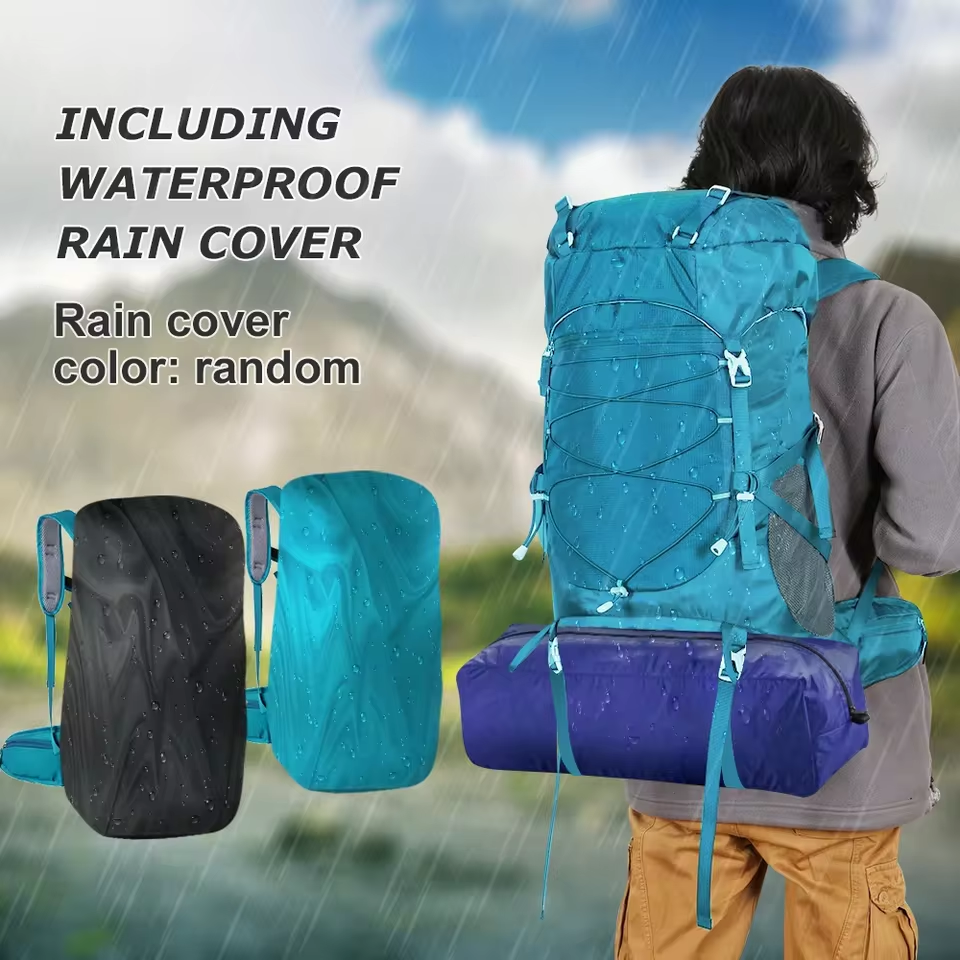
Many quality hiking backpacks offer excellent water resistance with a rain cover combo, providing 99% protection in moderate to heavy rain. True waterproof designs (roll-top closure) are typically heavier but offer maximum protection.
Best Baby Hiking Backpack for Family Adventures
Hiking with a baby requires a specialized carrier that prioritizes child safety, comfort, and parent convenience.
Thule Sapling XT is the go-to choice for active parents:
- Sturdy aluminum frame for safe, secure carry
- Padded child seat with safety straps
- Capacity: 2,220 cubic inches with 25L of parent storage
- Adjustable torso length for parent comfort
- Multiple attachment points for toys, diaper bags, and extra gear
- Weather hood for sun protection
- Weight limit: Up to 40 lbs
This baby hiking backpack removes the logistics challenge of hiking with an infant, allowing you to focus on enjoying nature with your little one. The generous storage compartments keep diapers, snacks, and extra clothes easily accessible.
See best option for family hikes | Trusted by outdoor families
Image suggestion: Parent hiking on a scenic trail while carrying baby in the Thule Sapling XT.
Alt text: Family hiking together with parent wearing baby hiking backpack carrier.
Hiking Backpack vs. Travel Backpack: Key Differences
While both hiking backpacks and travel backpacks carry gear, they’re designed for different purposes and environments. Understanding these differences helps you choose the right pack for your needs.
Core Design Philosophy
Hiking Backpacks are engineered for outdoor terrain with an emphasis on weight distribution, ventilation, and durability. They feature:
- Internal suspension frames for load-bearing support
- Wide, padded hip belts to transfer weight to your hips
- Hydration compatibility (reservoir sleeves and bite valves)
- Rugged materials resistant to scrapes, tears, and abrasion
- Back panel ventilation to reduce sweat and discomfort
Travel Backpacks prioritize organization, security, and ease of navigation in urban environments. They feature:
- Streamlined, minimalist designs for quick airport security
- Multiple organizational pockets and compartments
- Attachment points for travel accessories
- Lighter-weight materials focused on efficient packing
- Minimal emphasis on heavy-load support (most travel involves lighter loads)
Can You Use a Travel Backpack for Hiking?
The Peak Design Travel Backpack 45L is often compared to hiking packs because of its versatility and quality construction. However, notable limitations exist:
- Suspension system: Travel packs lack robust hip belts and internal frames designed for weight distribution on uneven terrain
- Comfort on loaded terrain: Extended hiking with 40+ pounds will cause shoulder fatigue
- Terrain compatibility: Streamlined designs don’t handle rough trails, exposed zippers, and thin padding as well as hiking packs
- Feature gaps: No hydration compatibility or outdoor-specific ventilation
Bottom line: A travel backpack works for light day hikes with minimal gear (under 15 lbs), but dedicated hiking backpacks outperform travel packs on trails, especially for longer distances or challenging terrain.
Image suggestion: Peak Design Travel Backpack positioned next to a hiking backpack showing design differences.
Alt text: Travel backpack and hiking backpack side-by-side comparison.
| Feature | Hiking Backpack | Travel Backpack |
|---|---|---|
| Primary Use | Trail and outdoor adventures | Urban travel and daily commuting |
| Capacity Range | 15–75+ liters | 30–50 liters |
| Hip Belt | Padded, load-bearing | Minimal or absent |
| Suspension | Robust internal frame | Minimal frame |
| Back Panel | Ventilated, contoured | Flat, streamlined |
| Hydration Compatibility | Yes (most models) | No |
| Durability | Heavy-duty, rugged materials | Balanced weight and durability |
| Weight | 3–6+ lbs | 2–4 lbs |
| Best For | Trails, elevation, rough terrain | Flights, urban areas, light loads |
Image suggestion: Comparison chart showing hiking backpack and travel backpack features.
Alt text: Feature comparison table of hiking backpack versus travel backpack design.
How to Choose the Right Size Hiking Backpack
Measuring Your Torso Length
Getting the correct torso length is the single most important fit factor for any hiking backpack.
Step-by-step torso measurement:
- Find your C7 vertebra: Bend your head forward slightly. The most prominent bone at the base of your neck is your C7 vertebra. Mark it with a finger.
- Locate your iliac crest: Feel along your hipbone to find the highest point of your hip bone. Mark this point as well.
- Measure the distance: Use a flexible measuring tape to measure from your C7 vertebra down to your iliac crest.
- Record your measurement: Note this in inches or centimeters.
Most hiking backpacks come in sizes like 15–17, 17–19, 19–21, and 21–23 inches. Choose the size that best matches your measurement.
Why it matters: An incorrect torso length places weight on your shoulders instead of your hips, causing fatigue and discomfort even on short hikes.
Image suggestion: Illustration or photo showing where to measure C7 vertebra and iliac crest on human back.
Alt text: Diagram showing how to measure torso length for proper hiking backpack fit.
FAQ: Common Questions About Hiking Backpacks
Q: What size hiking backpack should I buy as a beginner?
A: Start with a 25–35 liter hiking backpack if you plan primarily day hikes or overnight trips. This size is versatile enough for various conditions without overwhelming you. As you gain experience, you can add a specialized small hiking backpack for day hikes or a larger pack for extended treks.
Q: How much should a hiking backpack weigh when full?
A: A general rule is to carry no more than 20–25% of your body weight. For a 150-pound person, that’s 30–37.5 pounds maximum. However, experienced hikers often carry 15–20% of body weight for greater comfort on longer trails.
Q: What’s the best way to pack a hiking backpack?
A: Follow this proven method:
- Place heavier items (water, food, camping stove) low and centered, close to your back
- Pack mid-weight items (extra layers, electronics) in the middle
- Keep frequently used items (maps, snacks, first aid) in top and side pockets
- Distribute weight evenly on both sides to maintain balance
- Avoid hanging heavy items on the outside of the pack
Q: How do I keep my hiking backpack waterproof?
A: Use these strategies:
- Invest in a waterproof hiking backpack or water-resistant model with a rain cover
- Apply a DWR (Durable Water Repellent) treatment to the fabric annually
- Pack electronics in waterproof stuff sacks or dry bags
- Use the rain cover for extended exposure to heavy rain
- Avoid overfilling compartments, which can stress seams
Q: How do I measure my torso length for a hiking backpack?
A: Use a flexible measuring tape to measure from your C7 vertebra (the bony bump at the base of your neck) to the iliac crest (the top of your hip bones). This measurement determines your backpack torso size, typically ranging from 15–23 inches.
Q: How should I clean and maintain my hiking backpack?
A: Keep your hiking backpack in top condition:
- Empty the pack completely after each trip and shake out debris
- Use a soft brush to remove dirt and dried mud
- Spot clean stains with mild soap and cool water
- Machine washing is not recommended (damages padding and frame)
- Air dry completely in a shaded area before storing
- Inspect zippers, seams, and straps for wear or damage
- Reapply DWR treatment annually if your pack isn’t waterproof
Q: Can a women’s hiking backpack be worn by men, and vice versa?
A: Yes, if the torso length matches. Women-specific hiking backpacks are designed for narrower shoulders and different torso proportions, but a man with a shorter torso could use a women’s pack comfortably. Conversely, a woman with a longer torso might prefer a unisex or men’s pack. Focus on fit, not gender labeling.
Q: What are the signs that my hiking backpack no longer fits properly?
A: Replace or adjust your pack if you experience:
- Shoulder pain or numbness
- Weight not sitting on your hips
- Back pain after hikes
- Visible sagging or bending of the frame
- Torn seams or damaged padding
- Difficulty adjusting straps for a secure fit
Q: Is a heavier, durable hiking backpack better than a lightweight pack?
A: It depends on your priorities. A lightweight hiking backpack reduces fatigue, especially on long distances, but may sacrifice durability or comfort features. A heavier, well-padded pack prioritizes comfort and longevity. Most hikers find a middle ground with 3.5–5 lb packs offering excellent balance.
Image suggestion: Question mark icon or FAQ section header graphic.
Alt text: FAQ section for hiking backpack buyer guide.
Conclusion: Find Your Perfect Hiking Backpack
Choosing the best hiking backpack is one of the most important gear decisions you’ll make. The right pack—whether it’s a small hiking backpack for day hikes, a lightweight hiking backpack for distance, a waterproof hiking backpack for unpredictable weather, or a women-specific design for optimal fit—transforms your trail experience from uncomfortable to enjoyable.
Remember these key takeaways:
- Fit is paramount: Proper torso length and a supportive hip belt matter more than brand name or price
- Match capacity to your adventures: Don’t oversized your hiking backpack
- Prioritize comfort features: Ventilated back panels, padded straps, and adjustable torso lengths reduce fatigue
- Invest in durability: Quality materials and construction ensure your pack lasts for years
- Test before committing: If possible, wear the hiking backpack loaded before purchasing
Whether you’re an experienced backpacker or embarking on your first trail adventure, the insights in this guide will help you navigate the vast selection of hiking backpacks available today. Take time to assess your specific needs, prioritize comfort and fit, and choose a pack that excites you.
Happy trails, and enjoy the freedom that comes with the right hiking backpack!