
Introduction: Why the Right Hiking Shoes Matter
Choosing the best hiking shoes is essential for comfort, safety, and performance on any trail. In this 2025 guide, you’ll learn how to choose hiking shoes based on terrain, fit, and features that actually matter.
The feet carry you through every step of your journey, and the wrong footwear can turn a dream hike into a painful ordeal. In fact, studies show that approximately 60% of hikers experience foot-related discomfort due to inadequate hiking footwear. This comprehensive guide explores everything you need to know about selecting the best hiking footwear, from understanding gender-specific designs to evaluating features like waterproofing and ankle support.
Whether you’re a seasoned backcountry explorer or a weekend trail enthusiast, this article will help you make an informed decision about hiking shoes that will keep your feet happy, supported, and protected for miles to come.
Table of Contents
Table of Contents
How to Choose the Best Hiking Shoes
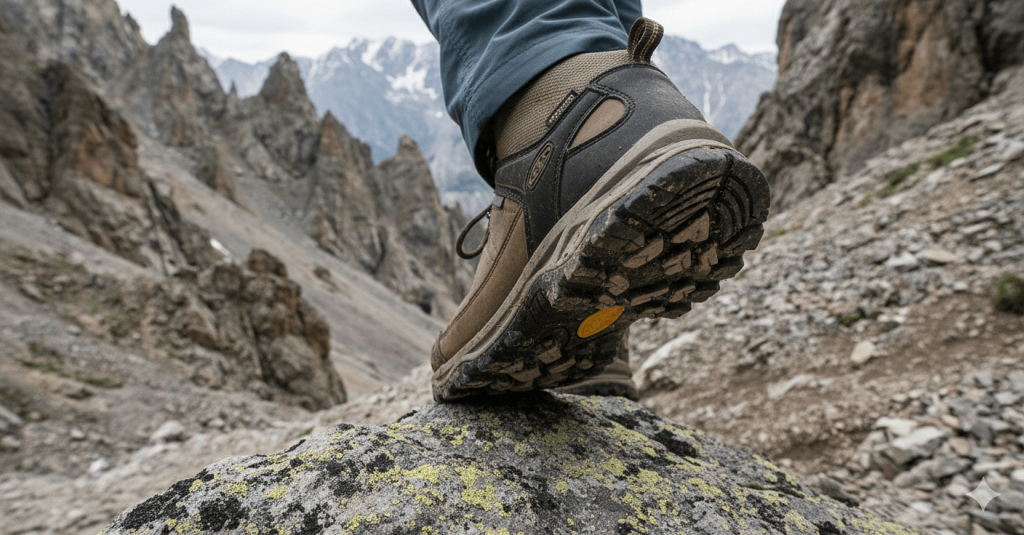
Hiking shoes are specifically engineered footwear designed to handle the unique demands of off-road terrain. Unlike standard sneakers, genuine hiking shoes feature reinforced soles, specialized traction patterns, and strategic padding that provides stability on uneven surfaces.
The key distinctions between hiking shoes and regular footwear include:
- Sole Design: Hiking shoe soles use aggressive tread patterns with deeper lugs to grip rocky, muddy, and slippery surfaces. Regular shoes have smooth soles optimized for pavement and flat ground.
- Support Structure: Hiking shoes incorporate medial posts and heel counters that control pronation and reduce fatigue on challenging terrain.
- Materials: Quality hiking footwear uses breathable yet durable materials like nubuck leather, mesh, and synthetic fabrics designed to withstand abrasion and moisture.
- Ankle Support: Many hiking shoes provide higher collars than standard shoes, preventing ankle rolls on uneven trails.
Understanding these differences ensures you’re investing in actual hiking footwear rather than casual athletic shoes marketed as trail-appropriate.
The Key Benefits of Investing in Quality Hiking Shoes
Enhanced Comfort on Long Distances
Proper hiking shoes reduce foot fatigue significantly. Quality hiking footwear distributes pressure evenly across your foot, minimizing hotspots and blister formation. Studies from the American Podiatric Medical Association confirm that hikers wearing appropriate footwear report 40% less foot pain than those wearing general-purpose athletic shoes.
Superior Traction and Grip
The aggressive rubber compounds and specialized tread patterns in best hiking footwear provide exceptional grip on loose gravel, wet rocks, and muddy trails. This enhanced traction improves stability and reduces slip-related injuries—a critical safety feature for backcountry hiking.
Durability and Long-Term Value
While quality hiking shoes represent a higher initial investment, their reinforced construction extends their lifespan to 500-1000 miles of hiking compared to 200-300 miles for standard shoes. This longevity translates to better value over time.
Injury Prevention
Proper hiking footwear supports natural foot mechanics, reducing stress on knees, hips, and lower back. The cushioning and stability features in quality hiking shoes help prevent common hiking injuries like plantar fasciitis, Achilles tendinitis, and ankle sprains.
Confidence in Variable Conditions
Waterproof hiking shoes keep feet dry during stream crossings and rain, while breathable designs prevent moisture buildup. This versatility allows you to hike in diverse conditions without worrying about soggy feet or blistering.
Hiking Footwear for Women: Design and Considerations
Hiking footwear womens categories have evolved dramatically over the past decade. Modern women’s hiking shoes are no longer simply scaled-down versions of men’s designs; they’re engineered specifically for female foot physiology and biomechanics.
Key Differences in Women’s Hiking Shoes
Anatomical Design: Women’s feet typically have narrower heels, higher arches, and a different weight distribution than men’s feet. Quality hiking footwear womens brands account for these differences through:
- Narrower heel cups that prevent heel slippage
- Arch support tailored to women’s natural arch heights
- Calf cuff shapes designed around smaller leg circumferences
- Toe box proportions suited to women’s foot shapes
Color and Aesthetic Options: Women hikers deserve footwear that matches personal style. Leading hiking footwear womens manufacturers now offer vibrant colors and contemporary designs alongside traditional earth tones, making it easier to find shoes that appeal to individual taste without compromising performance.
Weight Considerations: Women’s hiking shoes are typically 10-15% lighter than comparable men’s models, reducing foot fatigue during long hikes. This lighter construction maintains support while improving overall comfort during extended outings.
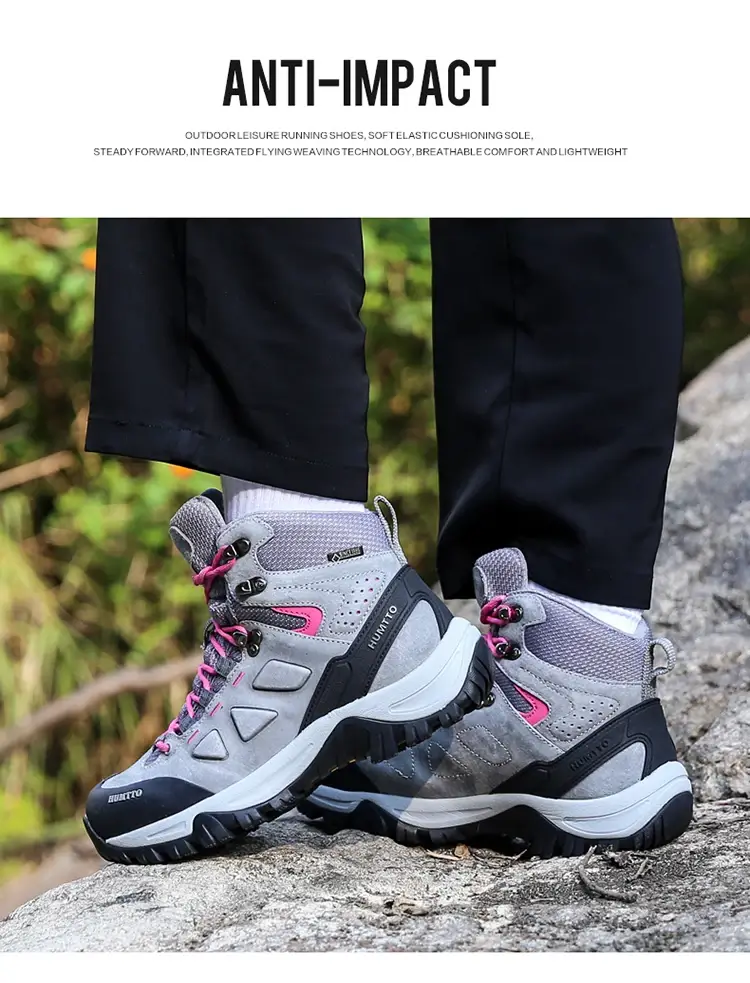
👉 Check these women’s waterproof hiking shoes on AliExpress for comfort and performance.
Top Features to Prioritize in Women’s Hiking Shoes
When selecting hiking footwear womens, prioritize these elements:
- Heel-to-toe drop appropriate for your natural gait (typically 8-12mm)
- Cushioning that balances responsive energy return with impact protection
- Waterproofing for variable weather conditions
- Breathable materials that prevent moisture accumulation
- Durable outsoles rated for at least 500 miles
Men’s Hiking Footwear: Performance Features and Options
Mens hiking footwear designs prioritize the biomechanical characteristics of male feet, which typically feature wider forefoots, higher volume in the midfoot, and different weight distribution patterns compared to women’s feet.
Characteristics of Quality Men’s Hiking Shoes
Robust Construction: Quality mens hiking footwear emphasizes durability and protection, often featuring:
- Reinforced toe caps for protection against trail impacts
- Stiffer midsoles for stability on technical terrain
- Thicker heel counters for control during descent
- Protective shanks that prevent foot fatigue on challenging routes
Variety of Styles: Men’s hiking shoes range from lightweight trail runners to heavy-duty mountaineering boots. This diversity ensures every male hiker can find best hiking footwear suited to their specific adventures, whether ultralight backpacking or multi-day expeditions.
Technology Integration: Leading mens hiking footwear brands incorporate advanced technologies including:
- Vibram soles for premium traction
- EVA midsole compounds that resist compression over time
- Gusseted tongues preventing debris entry
- Moisture-wicking linings that regulate temperature
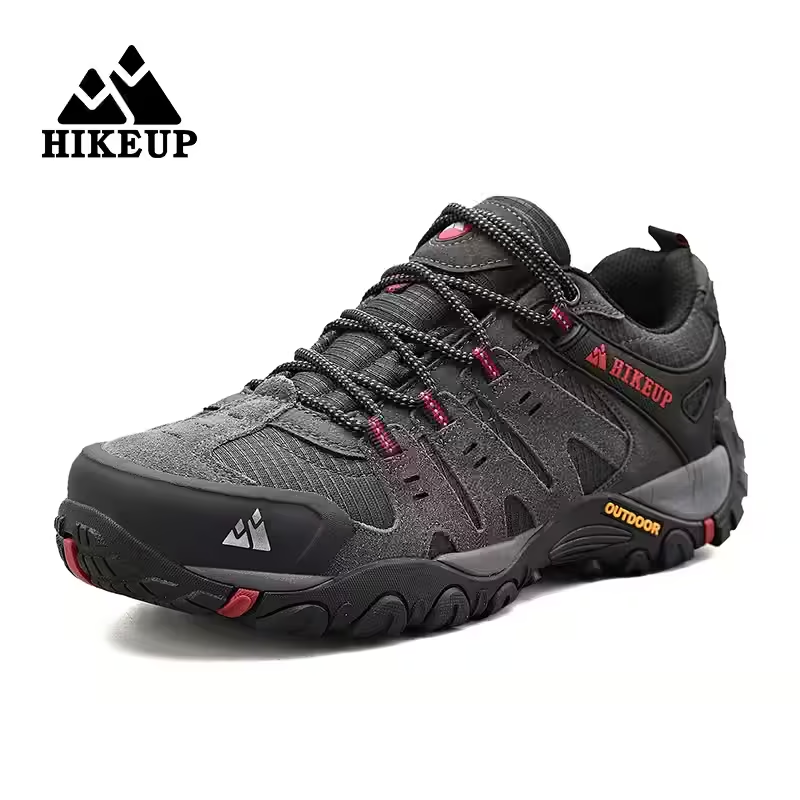
👉 View great mens hiking footwear options on AliExpress here.
Choosing Between Trail Shoes and Boots
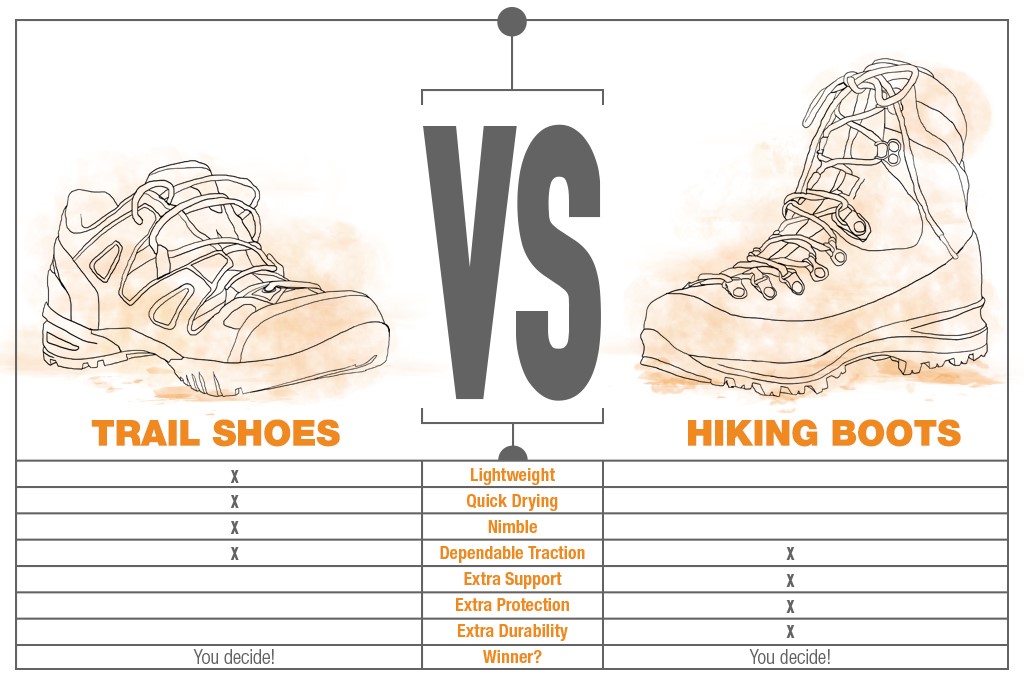
Trail shoes offer lighter weight and more natural ground feel, making them ideal for well-maintained day hikes. Hiking boots provide additional ankle support and protection, beneficial for carrying heavy packs or navigating loose, rocky terrain. Your choice depends on the terrain difficulty, pack weight, and personal preference.

Understanding Waterproof Hiking Shoes: Benefits and Trade-offs
Wet feet are among the primary causes of hiking discomfort and blister formation. Waterproof hiking shoes address this challenge through advanced membrane technology.
How Waterproofing Works
Modern waterproof hiking shoes use breathable membrane technologies—most commonly Gore-Tex—that block water molecules while allowing water vapor to escape. This creates a climate-controlled environment inside your shoe:
- External Protection: The membrane blocks rain, stream spray, and morning dew
- Internal Breathability: Perspiration and moisture escape through microscopic pores, keeping feet dry from both outside moisture and internal sweat
- Durability: Quality membranes maintain effectiveness for hundreds of miles when properly cared for
Trade-offs to Consider
While waterproof hiking shoes offer significant advantages, they involve certain compromises:
- Weight: Waterproof construction adds 4-8 ounces per shoe compared to non-waterproof models
- Break-in Period: Waterproof shoes often require longer break-in periods as the membranes adapt to foot movement
- Cost: Waterproofing technology adds $30-60 to retail price
- Maintenance: Waterproof shoes require occasional treatment with hydrophobic sprays to maintain effectiveness
When Waterproofing Is Essential
Waterproof hiking shoes are especially valuable for:
- Multi-day backpacking trips where wet feet compound daily
- Rain-prone seasons and mountainous regions with frequent precipitation
- Hikes involving stream crossings or snow patches
- Hiking at higher elevations where weather changes rapidly
For dry-season day hikes in arid climates, non-waterproof hiking shoes may offer better breathability without the waterproofing premium.
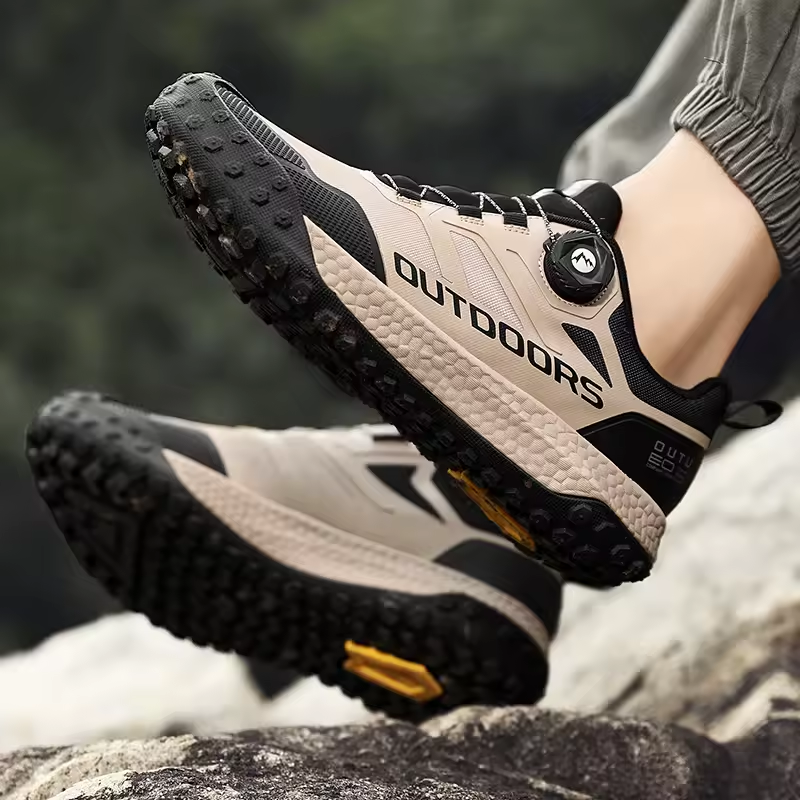
👉 Explore waterproof hiking shoes on AliExpress for wet conditions.
Hiking Boots vs. Trail Shoes: Finding Your Perfect Fit
The hiking shoe category encompasses a spectrum from lightweight trail runners to substantial mountaineering boots. Understanding the distinctions helps you select the best hiking footwear for your specific needs.
Hiking Boots: Maximum Support and Protection
Boots hiking shoes or traditional hiking boots reach above the ankle, providing:
- Ankle Stabilization: The higher collar prevents ankle rolls on uneven terrain, crucial when carrying heavy packs
- Foot Protection: Reinforced toe caps and protective shanks shield feet from impacts and sharp rocks
- Load-Carrying Capacity: Stiffer construction handles loads of 30+ pounds more effectively than lighter shoes
- Technical Terrain Mastery: Superior control on steep, rocky, or icy slopes
Trade-offs: Hiking boots are heavier (2-3 pounds per pair), have longer break-in periods, and require more maintenance than lighter hiking shoes.
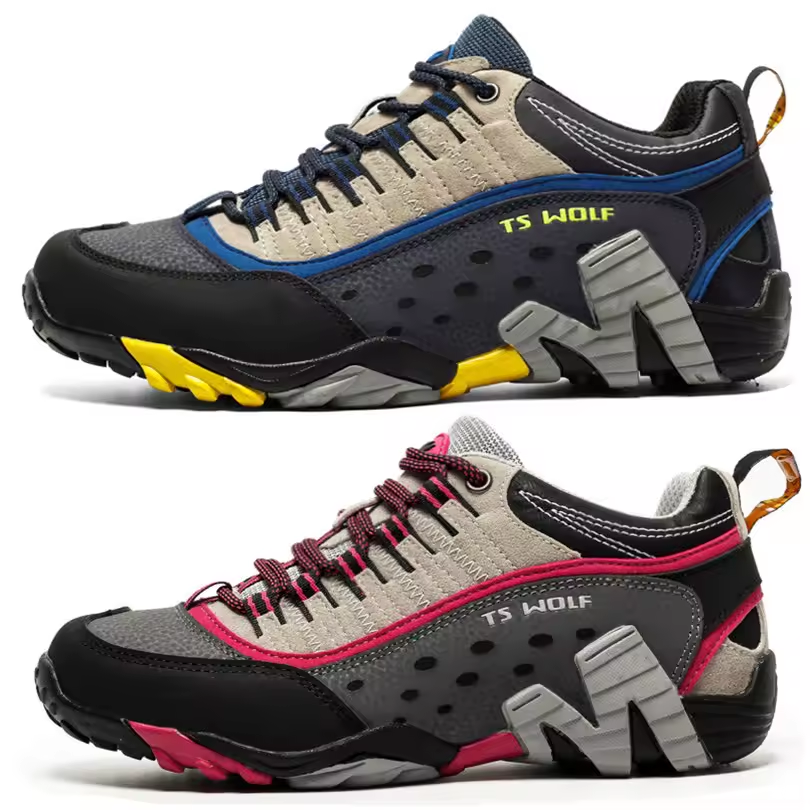
👉 Check hiking boots on AliExpress for technical terrain support.
Trail Shoes and Mid-Cut Options
Lighter hiking footwear in trail shoe and mid-cut classifications offer:
- Agility: Reduced weight allows faster movement and less foot fatigue on established trails
- Natural Feel: Greater ground contact and proprioceptive feedback improve balance on varied terrain
- Faster On and Off: Easier to put on and remove at camp
- Breathability: More open designs reduce heat and moisture accumulation
Trail shoes excel for day hikes, fast-packing, and well-established trails carrying minimal weight.
Hybrid Approach
Many experienced hikers maintain both boots hiking shoes and lighter trail shoes, selecting based on trip parameters: boots for expeditions with heavy loads or technical terrain, trail shoes for day hikes and established routes.
Hoka Hiking Shoes: Innovation and Performance
Among premium hiking footwear brands, Hoka has emerged as an innovation leader, particularly in cushioning technology and lightweight performance.
Why Hoka Hiking Shoes Stand Out
Advanced Cushioning: Hoka hiking shoes employ proprietary cushioning compounds that absorb impact while maintaining responsiveness. The brand’s signature high-volume midsoles reduce shock transmission to joints without sacrificing ground feel.
Lightweight Design: Despite substantial cushioning, Hoka hiking shoes weigh competitively with lighter options, achieving the rare combination of protection and agility.
Meta-Rocker Technology: Hoka’s distinctive curved sole geometry promotes a smooth rolling motion that reduces calf strain on descents—a particular advantage for long-distance hiking.
Proven Performance: Ultramarathoners and thru-hikers widely trust Hoka hiking shoes for extended mileage, with many reporting significantly reduced foot fatigue compared to traditional designs.
Hoka Hiking Shoe Models for Different Terrain
- Hoka Speedgoat Series: Lightweight trail running shoes ideal for fast day hikes and scrambling
- Hoka Stinson Series: Cushioned models offering maximum comfort for long distances
- Hoka Tor Ultra: Trail-specific boots with enhanced ankle support for technical terrain
Pricing and Value
Hoka hiking shoes typically retail between $120-180, positioning them in the premium segment. The exceptional durability and performance characteristics justify the investment for serious hikers.
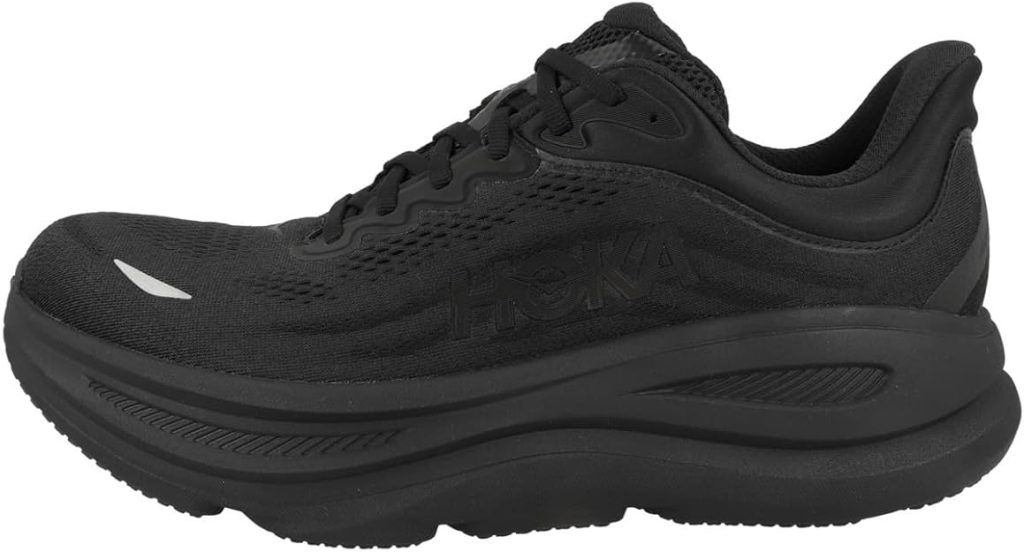
👉 Check the latest price and availability of the Hoka Men’s Bondi 9 on Amazon
Complete Buyer’s Guide: Selecting the Best Hiking Footwear
Step 1: Assess Your Hiking Style and Terrain
Before evaluating specific hiking shoes, honestly assess your primary hiking context:
- Trail Type: Established maintained trails require different support than bushwhacking or technical scrambling
- Distance: Ultralight shoes suit day hikes; cushioned models serve multi-day trips better
- Elevation Gain: High vertical elevation demands ankle support and descent protection
- Pack Weight: Carrying 30+ pounds necessitates boots or sturdy mid-cut shoes
- Climate and Season: Waterproofing matters in wet seasons; breathability prioritized in hot climates
Step 2: Determine Your Foot Characteristics
Proper fit depends on understanding your individual foot anatomy:
- Arch Type: Neutral, high, or low arches require different support profiles
- Heel Width: Narrow heels need Women’s shoes or brands with snug heel cups (like Hoka)
- Toe Box Preferences: Some feet thrive in roomy forefoots; others prefer snug, secure fits
- Blister History: Previous blister locations indicate pressure-sensitive areas
- Weight Distribution: Heavy heel strikers need excellent heel cushioning; midfoot runners prioritize responsive midsoles
Visit specialty outdoor retailers for gait analysis, which identifies your running/walking pattern and suggests appropriate hiking footwear categories.
Step 3: Evaluate Key Features
When comparing best hiking footwear options, assess these technical specifications:
| Feature | Why It Matters | What to Look For |
|---|---|---|
| Cushioning | Absorbs impact, reduces fatigue | EVA foam compound quality, midsole thickness |
| Traction | Grip on varied surfaces | Vibram or equivalent sole, tread depth and pattern |
| Support | Controls foot motion, prevents injury | Medial posts, heel counter stiffness, arch support |
| Weight | Reduces foot fatigue | Aim for 10-14 oz per shoe for day hikes |
| Breathability | Prevents moisture and blistering | Mesh panels, moisture-wicking linings |
| Waterproofing | Keeps feet dry in wet conditions | Gore-Tex or equivalent membrane |
| Durability | Extends shoe lifespan | Reinforced toe caps, protective shanks |
Step 4: Proper Fitting Guidelines
Correct fit is paramount—poorly fitting hiking shoes cause blisters, black toenails, and foot pain regardless of quality.
- Timing: Shop for hiking shoes in the afternoon when feet are slightly swollen from daily activity
- Sock Compatibility: Wear the actual hiking socks you’ll use; thick merino wool socks require larger shoes than thin synthetics
- Heel Slip: Acceptable heel slip is 0.5 inches maximum when fully laced
- Toe Box: Leave 0.5-inch clearance between longest toe and shoe end; toes should not touch when hiking downhill
- Width Options: If standard widths don’t fit, many brands offer narrow and wide options—don’t compromise
- Break-in: Allow 25-50 miles of easy hiking for proper break-in; waterproof shoes require longer adaptation
Step 5: Budget Considerations
Quality hiking footwear spans a wide price range. Consider your hiking frequency:
- Occasional Hikers ($70-100): Entry-level hiking shoes from reputable brands offer adequate performance for monthly outings
- Regular Hikers ($100-150): Mid-range best hiking footwear provides excellent durability and features for weekly hiking
- Serious Enthusiasts ($150-200+): Premium models like Hoka hiking shoes offer advanced technology for frequent backcountry adventures
Remember that cost per mile decreases with higher-quality shoes—a $200 shoe lasting 1000 miles costs less per mile than a $80 shoe lasting 300 miles.
[Image Suggestion: Retailer fitting session]
- Title: Professional Fitting for Hiking Shoes
- Alt Text: Specialist at outdoor retail store assisting customer with hiking shoe fitting in store environment
- Caption: Professional fitting at specialty outdoor retailers ensures you select hiking footwear that matches your foot anatomy and hiking needs.
Top Hiking Shoe Brands and Models for 2025
Premium Leaders in Hiking Footwear
Salomon remains the market leader in technical hiking footwear, with models like the Quest series dominating backcountry preference lists. Salomon’s advanced grip technology and ankle support make them synonymous with challenging terrain.
👉 Explore the Salomon Quest series on Amazon and tackle any trail with confidence.
Merrell specializes in comfortable, accessible hiking footwear for everyday hikers. Their Moab line—among the bestselling hiking shoes globally—balances affordability with reliable performance.
👉 Discover the Merrell Moab line on Amazon—comfortable, reliable hiking shoes for every adventurer.
La Sportiva caters to serious mountaineers and technical hikers, offering climbing-shoe-level precision in hiking boots designs.
👉 Check out La Sportiva hiking boots on Amazon for precision and technical performance.
ASICS and Saucony bring trail-running expertise to hiking footwear, creating lightweight options preferred by ultralight backpackers.
👉 Browse ASICS trail shoes on Amazon—lightweight and perfect for ultralight hiking.
Hoka hiking shoes, as discussed, lead in cushioning innovation, particularly for long-distance hiking comfort.
👉 Get the Hoka hiking shoes on Amazon and experience unmatched cushioning for long treks.
Keen pioneered the “hybrid approach,” integrating sandal-like breathability with hiking shoe support, creating distinctive shoes appreciated for versatility.
👉 See Keen hybrid hiking shoes on Amazon for versatile, breathable support on any adventure.
Gender-Specific Excellence
For hiking footwear womens, brands like Salomon, Merrell, and Hoka invest heavily in women’s-specific lasts and designs rather than simply shrinking men’s shoes.
For mens hiking footwear, all major brands maintain robust selections optimized for male foot characteristics.
Budget-Friendly Options
Brands including Northside, Hi-Tec, and Nevados offer quality hiking footwear under $80, suitable for casual hikers and those testing the hobby before significant investment.
“Best Budget-Friendly Hiking Shoes” – /budget-hiking-shoes]
Maintenance and Care: Extending Your Hiking Shoe Lifespan
Proper care extends hiking shoes lifespan significantly, protecting your investment.
Regular Cleaning
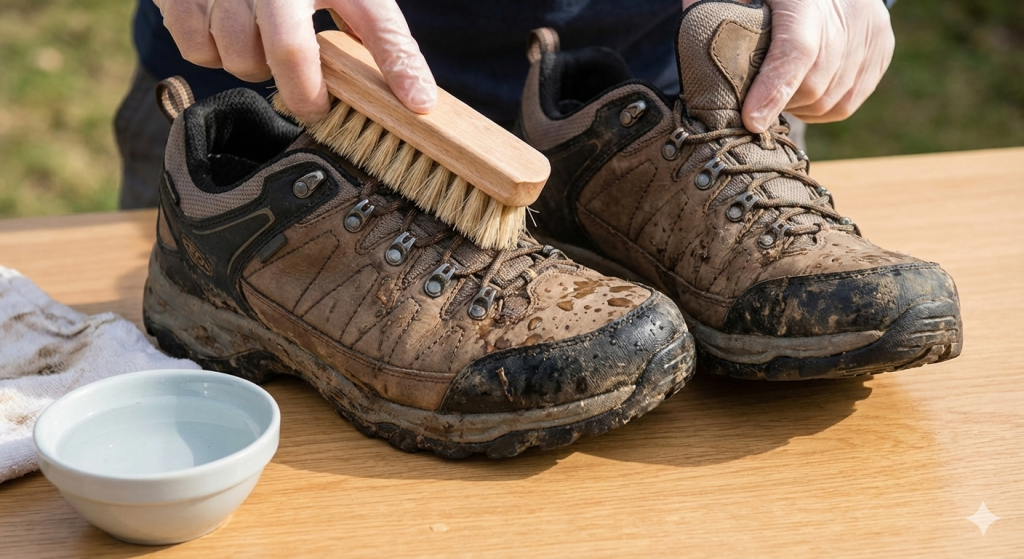
- Remove surface dirt after each hike with a soft brush
- Hand-wash insoles separately with mild soap and cool water
- Air dry at room temperature; never use direct heat or sunlight, which degrades adhesives
- Avoid washing machines, which compress padding and damage waterproofing
Waterproofing Maintenance
- Reapply hydrophobic treatment annually or after 200 miles for waterproof hiking shoes
- Use dedicated hiking shoe cleaners designed to preserve membranes
- Test waterproofing periodically by sprinkling water on the upper; it should bead immediately
Storage
- Store in cool, dry locations away from extreme temperatures
- Use cedar blocks or activated charcoal to control odor naturally
- Avoid plastic bags, which trap moisture and encourage mold growth
- Insert shoe trees or stuff with newspaper to maintain shape
Replacement Timeline
Plan to replace hiking shoes after 500-1000 miles of use, depending on construction quality and terrain severity. Telltale signs include compressed midsoles, worn outsoles, torn uppers, and noticeable loss of cushioning.
Frequently Asked Questions About Hiking Shoes
Q: What’s the difference between hiking shoes and hiking boots?
A: Hiking shoes typically reach just above the ankle with lighter construction, while hiking boots extend higher with stiffer support. Boots provide more ankle stabilization for heavy loads and technical terrain; shoes offer lighter weight and agility for established trails.
Q: Do I really need waterproof hiking shoes?
A: Waterproof hiking shoes are essential for wet climates, multi-day trips, and stream crossings. For dry-season day hikes, breathability may matter more than waterproofing. Consider your typical hiking conditions and pack weight.
Q: How should hiking shoes fit?
A: Properly fitted hiking shoes should have 0.5 inches of clearance between your longest toe and the shoe end, minimal heel slip (less than 0.5 inches), and a secure but not cramped feel. Try them on in the afternoon wearing actual hiking socks.
Q: Are Hoka hiking shoes worth the premium price?
A: Hoka hiking shoes justify their premium pricing through advanced cushioning, lightweight construction, and exceptional durability. They’re ideal if you hike frequently or cover long distances where their comfort technology shines.
Q: What socks should I wear with hiking shoes?
A: Choose merino wool or synthetic blend socks specifically designed for hiking, not cotton. Merino wool regulates temperature and resists odor, while synthetics dry quickly. Thickness should match shoe sizing.
Q: How long does it take to break in new hiking shoes?
A: Plan 25-50 miles of easy hiking for most shoes to reach full comfort. Waterproof models may require additional break-in as membranes adjust. Start with shorter hikes to identify any discomfort areas.
Q: What’s the best hiking footwear for women with wide feet?
A: Brands like Hoka, Salomon, and Merrell offer wide-width options in their hiking footwear womens lines. La Sportiva caters especially to wider feet with their generous toe box designs.
Q: Can I use hiking shoes for other activities?
A: While hiking shoes work for casual walking, they’re specialized for trail use. Use them primarily for hiking to preserve their traction and support structures. Trail running shoes work for light hiking but lack the protective features of true hiking shoes.
Conclusion: Your Journey to the Perfect Hiking Shoes Starts Here
Selecting the best hiking footwear represents one of the most impactful investments you can make in your outdoor adventures. Quality hiking shoes transform challenging terrain from uncomfortable to exhilarating, enabling you to focus on scenery and experience rather than foot pain.
Whether you’re evaluating hiking footwear womens options tailored to female biomechanics, exploring mens hiking footwear engineered for male foot characteristics, comparing waterproof hiking shoes for wet climates, considering boots hiking shoes for technical terrain, or investigating innovation leaders like Hoka hiking shoes, the principles remain consistent: match footwear to your specific terrain, pack weight, and climate conditions while prioritizing proper fit above all else.
The trail awaits. Take the first step by visiting a specialty outdoor retailer for professional fitting, then selecting the hiking shoes that align with your unique needs and preferences. Your feet will thank you at mile 10, mile 20, and beyond—when comfortable, supportive hiking shoes transform endurance from an exercise in tolerance into the joy of exploration.
Begin your search today for the perfect hiking footwear, and discover why thousands of outdoor enthusiasts trust quality hiking shoes to carry them toward their greatest adventures.